
The Incentive to Keep the Fire Burning
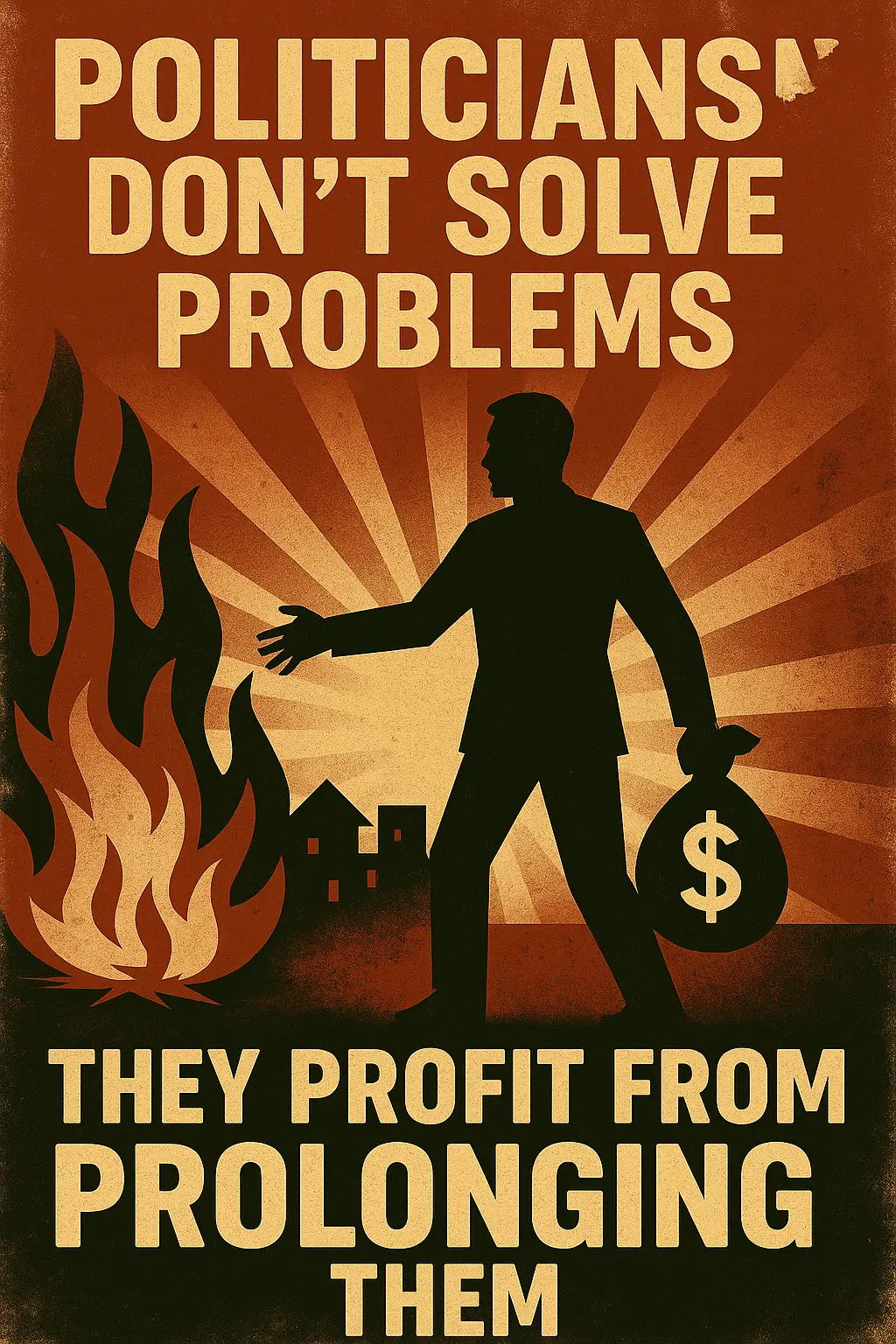
When a house is on fire, a firefighter’s job is to put it out as quickly as possible. But if that firefighter got paid by the hour, and the fire was their only source of income, would you trust them to be in a hurry? That’s the political system in a nutshell.
Politicians make their careers out of problems — not solutions. Poverty, crime, healthcare crises, housing shortages, climate concerns — these are the endless “fires” they claim to fight. But solving them would mean cutting off their own funding, their own influence, and their own relevance.
Every campaign speech is a promise to “fight” some social ill. Every reelection campaign is an argument for why you need them to keep fighting it. And every policy they pass is a half-measure designed to keep the issue alive just enough to run on it again in four years.
The Business of Perpetual Crisis
Politics is a business — and in business, recurring revenue is king.
For a corporation, that means subscription fees, service plans, and repeat customers. For politicians, recurring revenue comes in the form of taxpayer dollars, campaign donations, and lobbying money — all tied to the ongoing “management” of problems rather than their resolution.
Consider the “War on Poverty” — declared in 1964. Decades later, billions have been spent, thousands of programs have been created, and yet poverty persists. It’s almost as if the programs were never designed to win the war, but to keep the war going indefinitely.
Why? Because every budget hearing, every appropriations bill, every grant program feeds the political machine — ensuring jobs for bureaucrats, contracts for cronies, and talking points for politicians.
The Illusion of Action
Politicians are masters of symbolic victories. They pass bills with inspiring names — “The Affordable Housing Act,” “The Safe Streets Initiative,” “The Clean Energy Future Plan” — but the contents are often loophole-ridden, riddled with carve-outs for special interests, or so watered down they barely scratch the problem they claim to fix.
The goal isn’t to solve the problem. The goal is to look like you’re solving it. Press conferences, ribbon cuttings, and photo ops serve as proof to the public that “something is being done” — even when nothing meaningful changes.
Meanwhile, behind the scenes, the real work is ensuring that the issue remains just unsolved enough to justify the next round of funding.
Perpetual Problems, Perpetual Power
The brilliance — and horror — of this system is that it doesn’t even require outright corruption to function. Even “good” politicians are trapped by the same incentive structure:
- If they solve the problem too quickly, they lose political capital.
- If they take too strong a stand, they risk alienating donors and voters.
- If they actually fix the problem, they remove their own justification for power.
So, they don’t fix it. They manage it. And we, the public, are left with a permanent class of professional “problem-solvers” whose livelihoods depend on making sure the problems never actually go away.
What’s the Alternative?
If we want real solutions, we need to remove the perverse incentives that reward problem-prolonging. That means decentralizing power, reducing government monopolies over services, and letting competition, innovation, and voluntary cooperation solve issues faster and more effectively than any politician ever could.
The more we shift problem-solving to the bottom-up — where people have skin in the game and direct accountability — the less room there is for career politicians to thrive on stagnation.
Like What You Read?
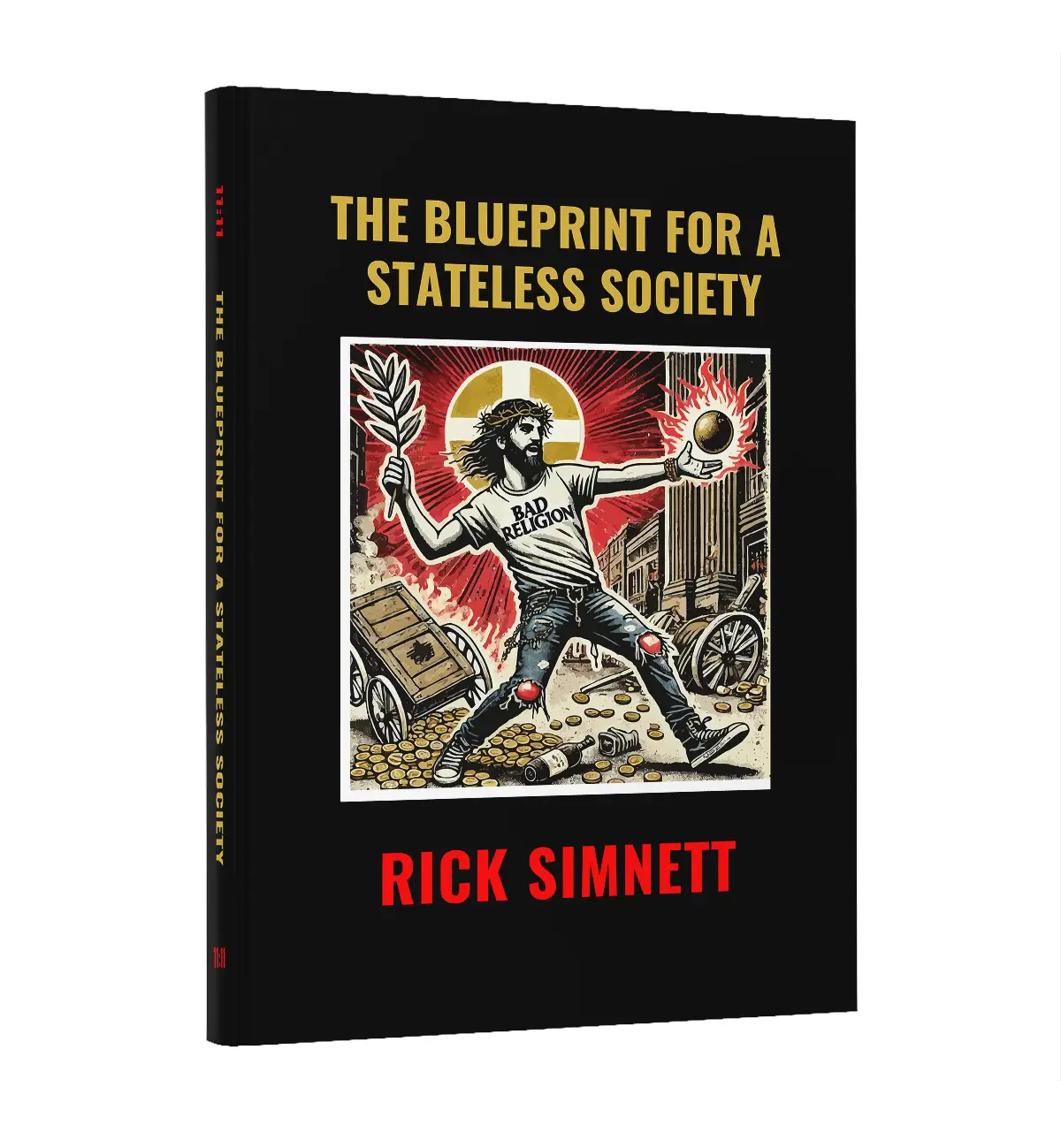
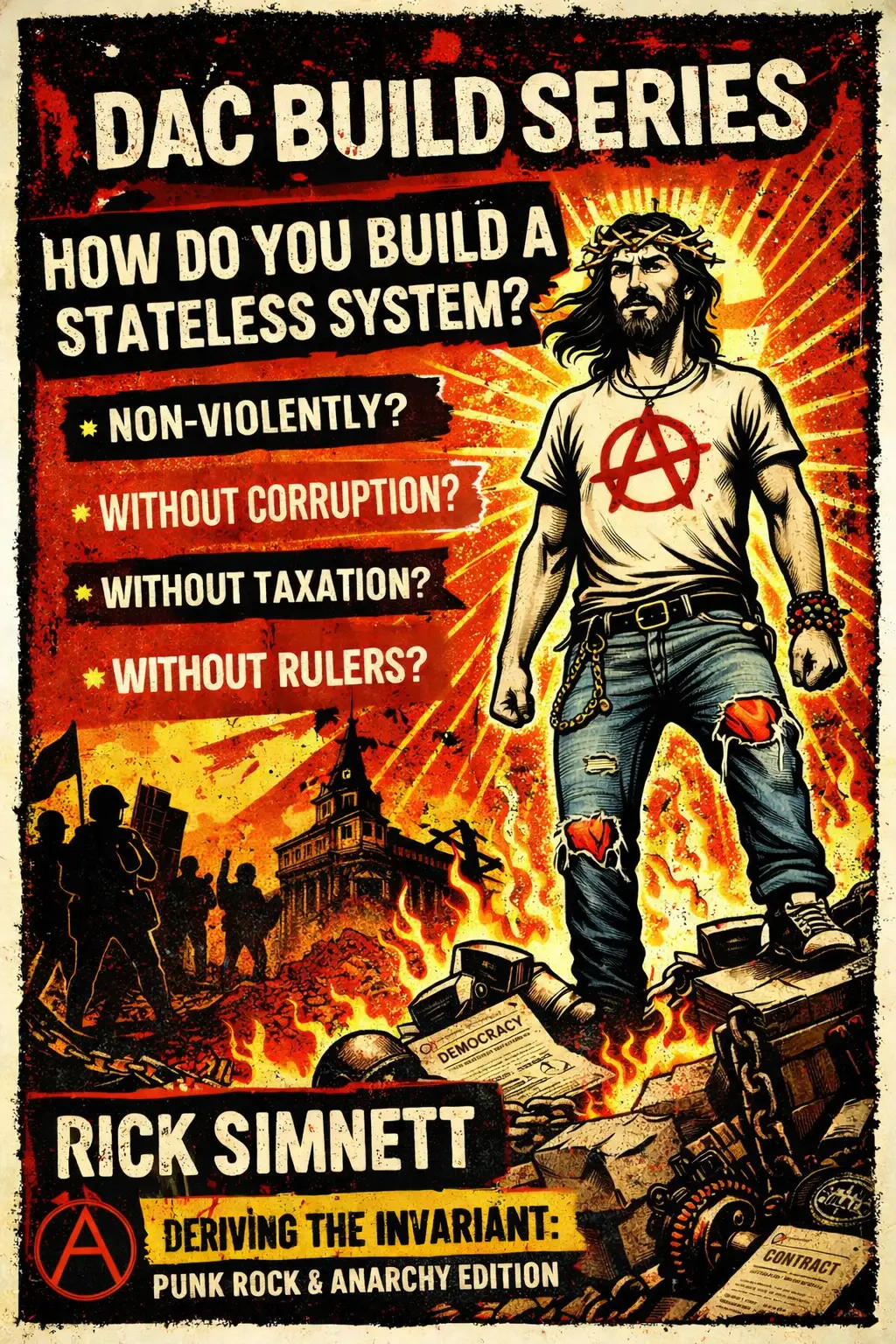
This is exactly what The Blueprint for a Stateless Society explores — how to replace political theater with real solutions by building systems on consent, competition, and voluntary cooperation. Want to see how it works in practice? Download the blueprint and read for yourself.